
Are you ready to embark on an enchanting journey through the vibrant tapestry of India? 🇮🇳 Picture yourself wandering through bustling bazaars, marveling at ancient temples, and savoring aromatic spices that dance on your taste buds. But wait! Before you book that ticket, there’s a treasure trove of essential information you need to know.
India, with its rich history and diverse culture, can be as overwhelming as it is captivating. From navigating the chaotic streets to understanding local customs, planning your Indian adventure can feel like solving a complex puzzle. But don’t worry – we’ve got you covered! In this comprehensive guide, we’ll unveil the secrets to a seamless Indian experience, ensuring you’re well-prepared for the journey of a lifetime.
Get ready to dive into everything from smart trip planning and cultural etiquette to transportation hacks and culinary delights. We’ll explore must-visit destinations, share packing tips, and provide crucial safety advice. So, whether you’re a first-time traveler or a seasoned globetrotter, buckle up as we take you through the essential things you need to know before setting foot in incredible India! 🧳✈️
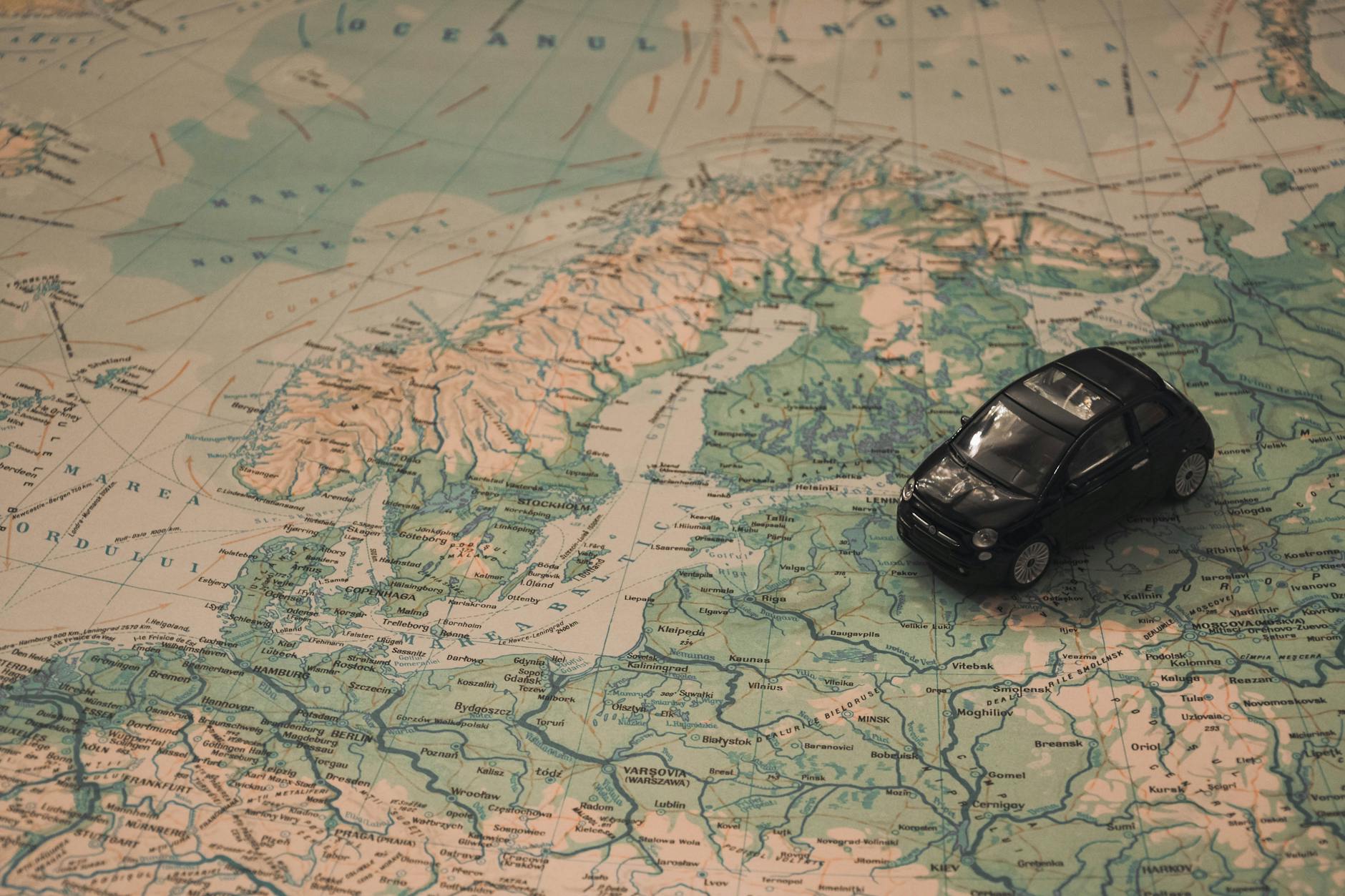
Planning Your Trip
Best time to visit India
The best time to visit India largely depends on your destination and preferences. Generally, October to March offers pleasant weather across most regions. Here’s a quick guide:
| Season | Months | Characteristics |
|---|---|---|
| Winter | November to February | Mild temperatures, ideal for most regions |
| Summer | April to June | Hot and dry, good for mountain destinations |
| Monsoon | July to September | Rainy, lush landscapes, fewer tourists |
Visa requirements and application process
Most international visitors need a visa to enter India. You can apply for an e-Visa online, which is convenient and usually processed within 3-5 business days. Here’s what you need:
- Valid passport with at least 6 months validity
- Recent passport-sized photograph
- Proof of onward travel
- Sufficient funds for your stay
Recommended Travel Vaccinations for India
Before your trip, consult your doctor about necessary vaccinations. Some recommended ones include:
| VACCINE | HOW DISEASE SPREADS | DETAILS |
| Typhoid | Food & Water | Shot lasts 2 years. Oral vaccine lasts 5 years, must be able to swallow pills. Oral doses must be kept in refrigerator. |
| Cholera | Food & Water | A risk for travelers throughout India. Avoid swimming in popular rivers or streams as cholera may be present. Vaccination is recommended for some travelers. |
| Hepatitis A | Food & Water | Recommended for most travelers. |
| Hepatitis B | Blood & Body Fluids | Recommended for travelers to most regions. |
| Yellow Fever | Mosquito | Required if traveling from a country with risk of yellow fever transmission. |
| Japanese Encephalitis | Mosquito | Recommended for all regions except: Dadra, Daman, Diu, Gujarat, Himachal Pradesh, Jammu and Kashmir, Lakshadweep, Meghalaya, Nagar Haveli, Punjab, Rajasthan, and Sikkim. |
| Chikungunya | Mosquito | India has the second most chikungunya cases of any region globally. Vaccination is recommended. |
| Rabies | Saliva of Infected Animals | High risk country. Vaccine recommended for long-term travelers and those who may come in contact with animals. |
| Polio | Food & Water | May be required if arriving from countries with active transmission. Recommended for some travelers to the region. Single adult booster recommended. |
Additionally, consider malaria prophylaxis if visiting high-risk areas. Always drink bottled water and be cautious with street food to avoid traveler’s diarrhea. read more.
Budgeting tips for different travel styles
Your budget will vary greatly depending on your travel style. Here are some tips:
- Budget travelers: Aim for $20-30 per day, staying in hostels and eating local food
- Mid-range: $50-100 per day for comfortable hotels and occasional splurges
- Luxury: $200+ per day for high-end accommodations and experiences
Remember to factor in transportation costs, especially if you plan to cover long distances. With careful planning, you can make the most of your Indian adventure regardless of your budget.
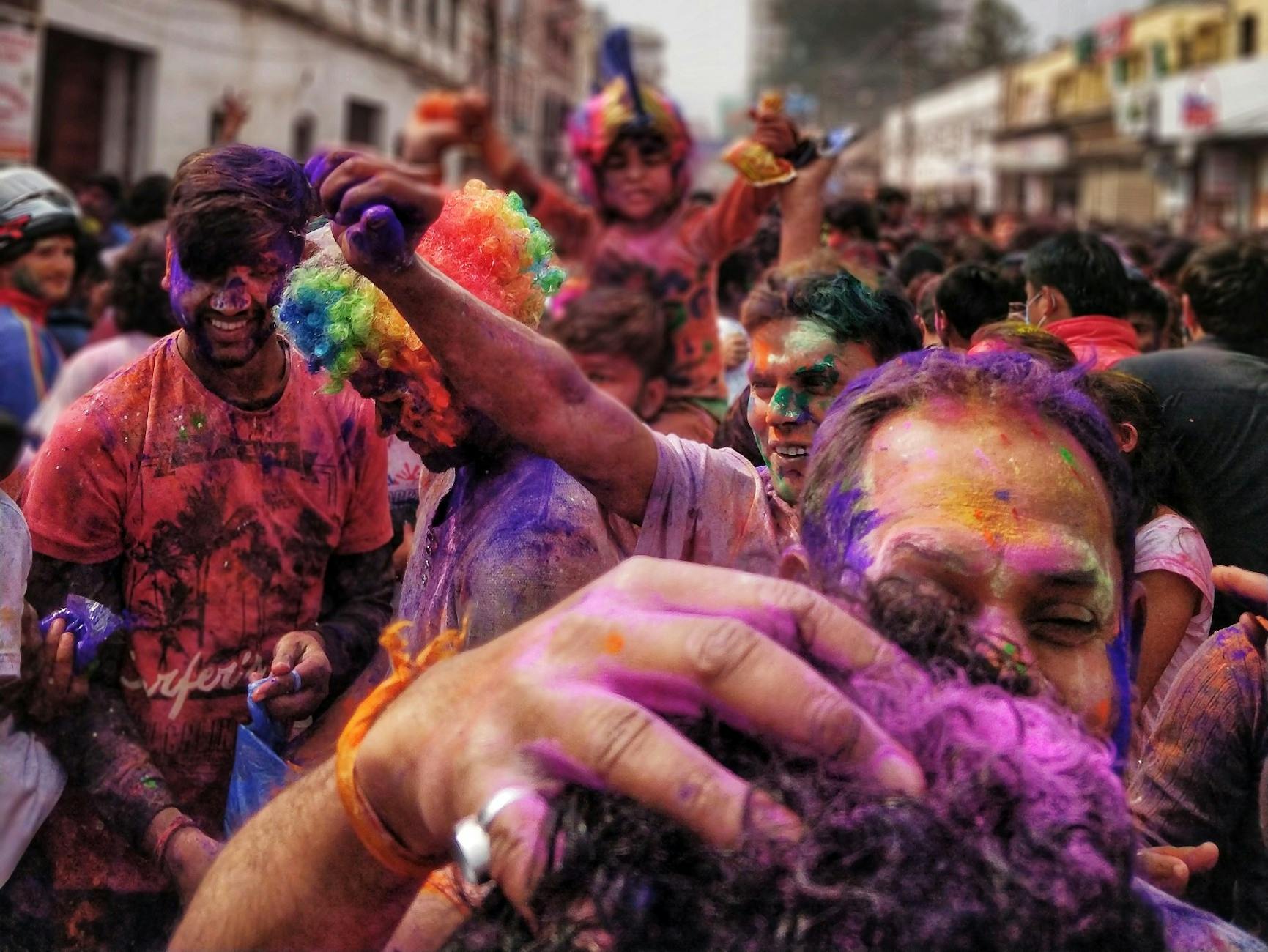
Navigating Indian Culture
Understanding Indian culture is crucial for a successful and respectful trip. Here’s what you need to know:
Understanding cultural norms and etiquette
When visiting India, you’ll encounter diverse customs and traditions. Remember to:
- Remove your shoes before entering homes or religious sites
- Use your right hand for eating and passing objects
- Avoid public displays of affection
Dress code recommendations
Dressing modestly is important, especially in rural areas and religious sites:
- Women: Cover shoulders and knees, carry a scarf for additional coverage
- Men: Avoid shorts in religious places, opt for long pants
Religious customs and temple visits
India is home to various religions, each with its own customs:
| Religion | Key Customs |
|---|---|
| Hinduism | Remove shoes, avoid leather items |
| Islam | Cover head (women), dress modestly |
| Sikhism | Cover head, no alcohol or tobacco |
Language basics and useful phrases
While English is widely spoken, learning a few Hindi phrases can enhance your experience:
- Namaste (Hello)
- Dhanyavaad (Thank you)
- Kripya (Please)
Understanding these cultural aspects will help you navigate India with respect and confidence. Next, we’ll explore the various transportation options available for your journey through this diverse country.
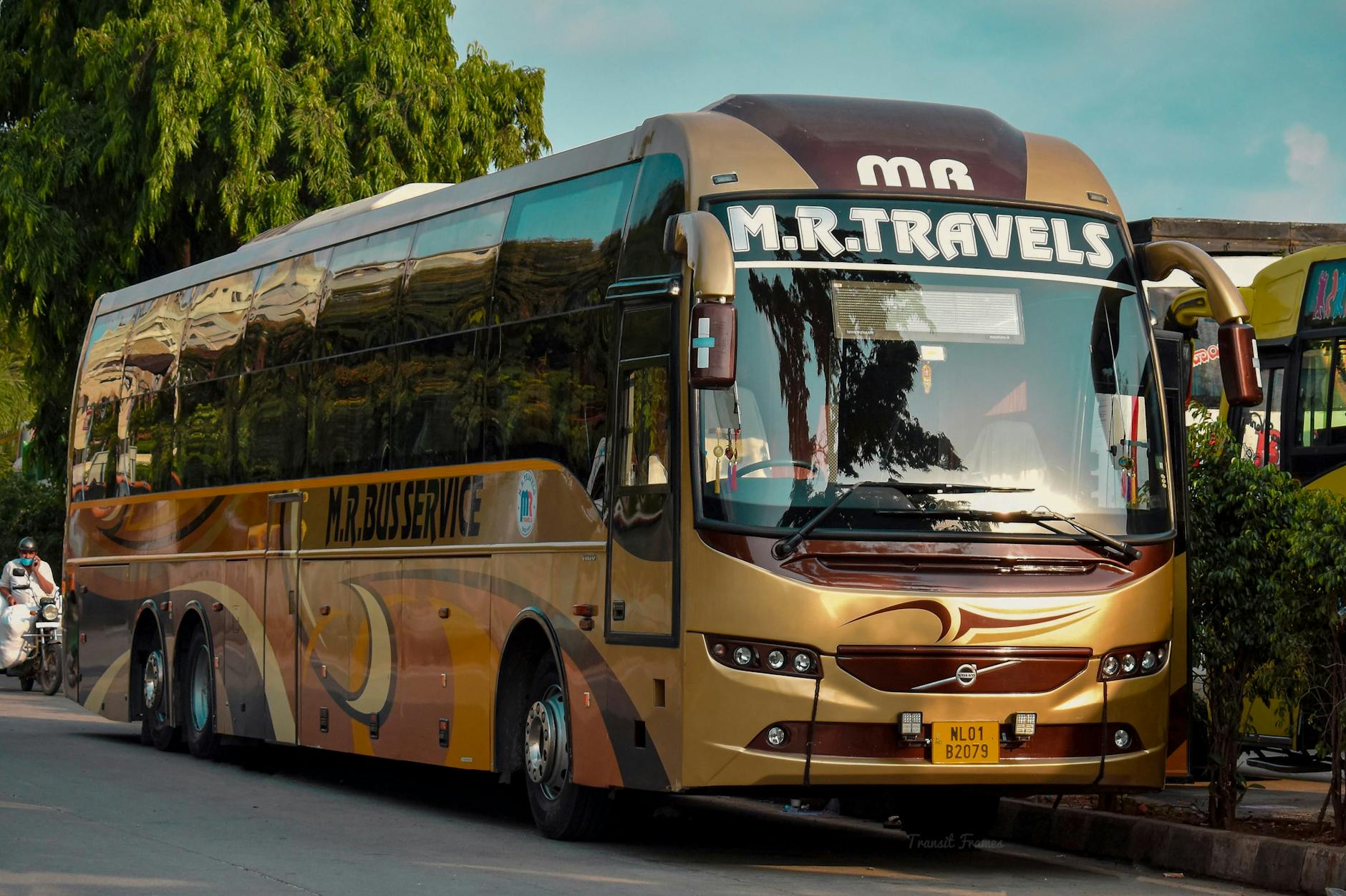
Transportation Options
When exploring India, you’ll encounter a diverse range of transportation options. Understanding these choices will help you navigate the country more efficiently and enjoy your travel experience.
A. Domestic flights and airports
India boasts an extensive network of domestic flights, connecting major cities and tourist destinations. You’ll find that flying is often the quickest way to cover long distances. Here are some key points to remember:
- Book in advance for better deals
- Check baggage allowances, as they may differ from international standards
- Arrive at the airport early, especially in busy cities
B. Train travel and booking tips
Train travel in India is an adventure in itself and offers a unique way to experience the country. Consider these tips:
- Use the official IRCTC website or app for bookings
- Book well in advance, especially for popular routes
- Opt for air-conditioned classes for longer journeys
| Train Class | Comfort Level | Price Range |
|---|---|---|
| 1AC | Highest | $$$ |
| 2AC | High | $$ |
| 3AC | Moderate | $ |
| Sleeper | Basic | $ |
C. Hiring taxis and auto-rickshaws
For shorter distances within cities, taxis and auto-rickshaws are convenient options:
- Use ride-hailing apps like Ola or Uber for fixed prices
- Negotiate fares before starting the journey in traditional taxis
- Be prepared for traffic congestion in major cities
D. Public transportation in major cities
Major Indian cities offer various public transportation options:
- Metro systems in cities like Delhi, Mumbai, and Bangalore
- Local buses for budget-friendly travel
- Suburban trains in metropolitan areas
Now that you’re familiar with transportation options in India, let’s explore the diverse accommodation choices available for your stay.

Accommodation Choices
When planning your trip to India, finding the right place to stay is crucial for a comfortable and memorable experience. India offers a wide range of accommodation options to suit every budget and preference. Let’s explore the various choices available to you.
A. Luxury hotels and resorts
For those seeking a lavish experience, India boasts world-class luxury hotels and resorts. These establishments offer top-notch amenities, impeccable service, and often showcase the rich cultural heritage of the country.
- High-end chains like Taj, Oberoi, and Leela
- Exclusive boutique hotels in prime locations
- Wellness resorts focusing on Ayurveda and yoga
B. Budget-friendly guesthouses and hostels
If you’re traveling on a tighter budget or prefer a more laid-back atmosphere, India has plenty of affordable options:
- Family-run guesthouses with a homely feel
- Backpacker hostels for solo travelers and social butterflies
- Budget hotel chains offering basic amenities at reasonable prices
C. Unique stays: heritage properties and homestays
For a truly authentic experience, consider staying in heritage properties or homestays:
| Accommodation Type | Features | Benefits |
|---|---|---|
| Heritage Properties | Converted palaces, forts, and havelis | Immerse in history and royal ambiance |
| Homestays | Local family homes | Experience genuine Indian hospitality and culture |
These unique accommodations offer you a chance to connect with local communities and gain deeper insights into Indian culture. Whether you choose luxury, budget, or something in between, India’s diverse accommodation options ensure you’ll find the perfect place to rest and recharge during your travels.
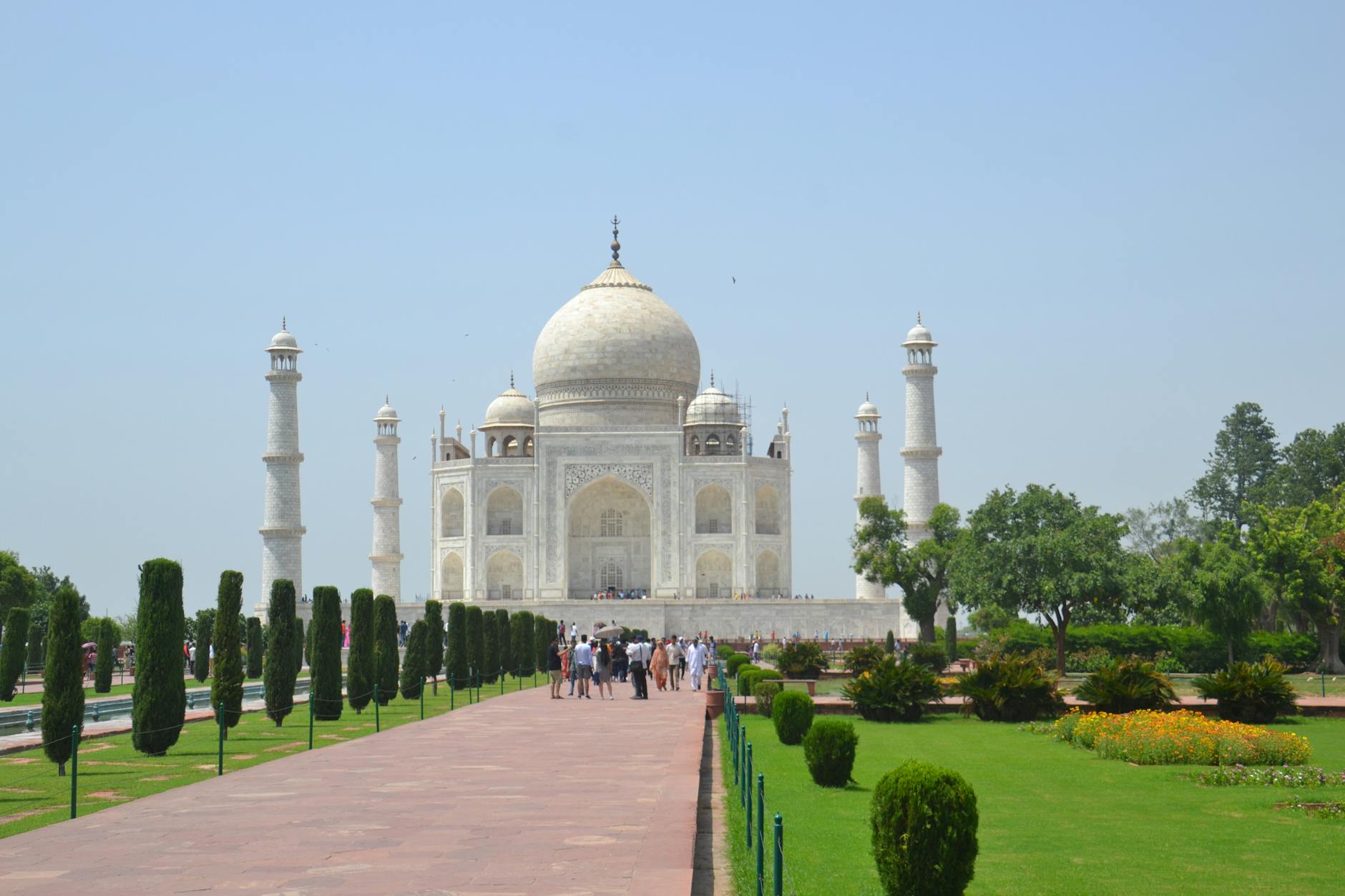
Must-Visit Destinations
A. Historical landmarks and UNESCO sites
India boasts an impressive array of historical landmarks and UNESCO World Heritage Sites that you simply can’t miss. The iconic Taj Mahal in Agra is a must-see, along with the nearby Agra Fort. In Delhi, you’ll find the Red Fort and Qutub Minar, both testaments to India’s rich history.
| UNESCO Site | Location | Known For |
|---|---|---|
| Taj Mahal | Agra | Iconic marble mausoleum |
| Khajuraho Temples | Madhya Pradesh | Intricate erotic sculptures |
| Ajanta and Ellora Caves | Maharashtra | Ancient rock-cut cave temples |
B. Natural wonders and wildlife sanctuaries
Your journey through India wouldn’t be complete without experiencing its natural beauty. The lush Western Ghats, a biodiversity hotspot, offer stunning landscapes and unique flora and fauna. For wildlife enthusiasts, you can’t miss:
- Ranthambore National Park for tiger spotting
- Kaziranga National Park for one-horned rhinos
- Sundarbans for mangrove forests and Bengal tigers
C. Vibrant cities and cultural hubs
India’s cities are a sensory overload in the best way possible. You’ll find a mix of ancient and modern in cities like:
- Mumbai: Bollywood, colonial architecture, and bustling markets
- Varanasi: Spiritual center on the banks of the Ganges
- Jaipur: The “Pink City” with stunning palaces and forts
D. Off-the-beaten-path locations
For a unique experience, venture to lesser-known destinations. Consider visiting the remote Spiti Valley in Himachal Pradesh for breathtaking mountain landscapes, or explore the serene backwaters of Kerala for a taste of tropical paradise.
Now that you’re familiar with India’s must-visit destinations, let’s explore the culinary adventures that await you in this diverse country.
Vibrant Cities and Cultural Hubs
India’s urban landscape is a tapestry of diverse experiences, offering you a glimpse into the country’s rich cultural heritage and modern aspirations. As you plan your journey, consider these vibrant cities and cultural hubs that showcase the best of India’s past and present.
Top Cities to Explore
- Delhi: The capital city, blending old-world charm with contemporary flair
- Mumbai: India’s financial hub and home to Bollywood
- Jaipur: The “Pink City” known for its stunning architecture
- Varanasi: One of the world’s oldest continuously inhabited cities
- Kolkata: A cultural powerhouse with a colonial past
Cultural Experiences in Indian Cities
| City | Must-Visit Attractions | Cultural Highlights |
|---|---|---|
| Delhi | Red Fort, Qutub Minar | Street food tours, Sufi music |
| Mumbai | Gateway of India, Elephanta Caves | Bollywood studio tours, Dabbawalas |
| Jaipur | Amber Fort, City Palace | Block printing workshops, Puppet shows |
| Varanasi | Ghats along the Ganges | Evening Aarti ceremony, Classical music |
| Kolkata | Victoria Memorial, Howrah Bridge | Durga Puja festival, Bengali literature |
As you explore these cities, immerse yourself in the local culture by participating in festivals, visiting markets, and interacting with residents. Each city offers a unique blend of historical landmarks and modern attractions, giving you a comprehensive view of India’s diverse cultural landscape.
Next, we’ll delve into the culinary adventures that await you in these vibrant cities and beyond.
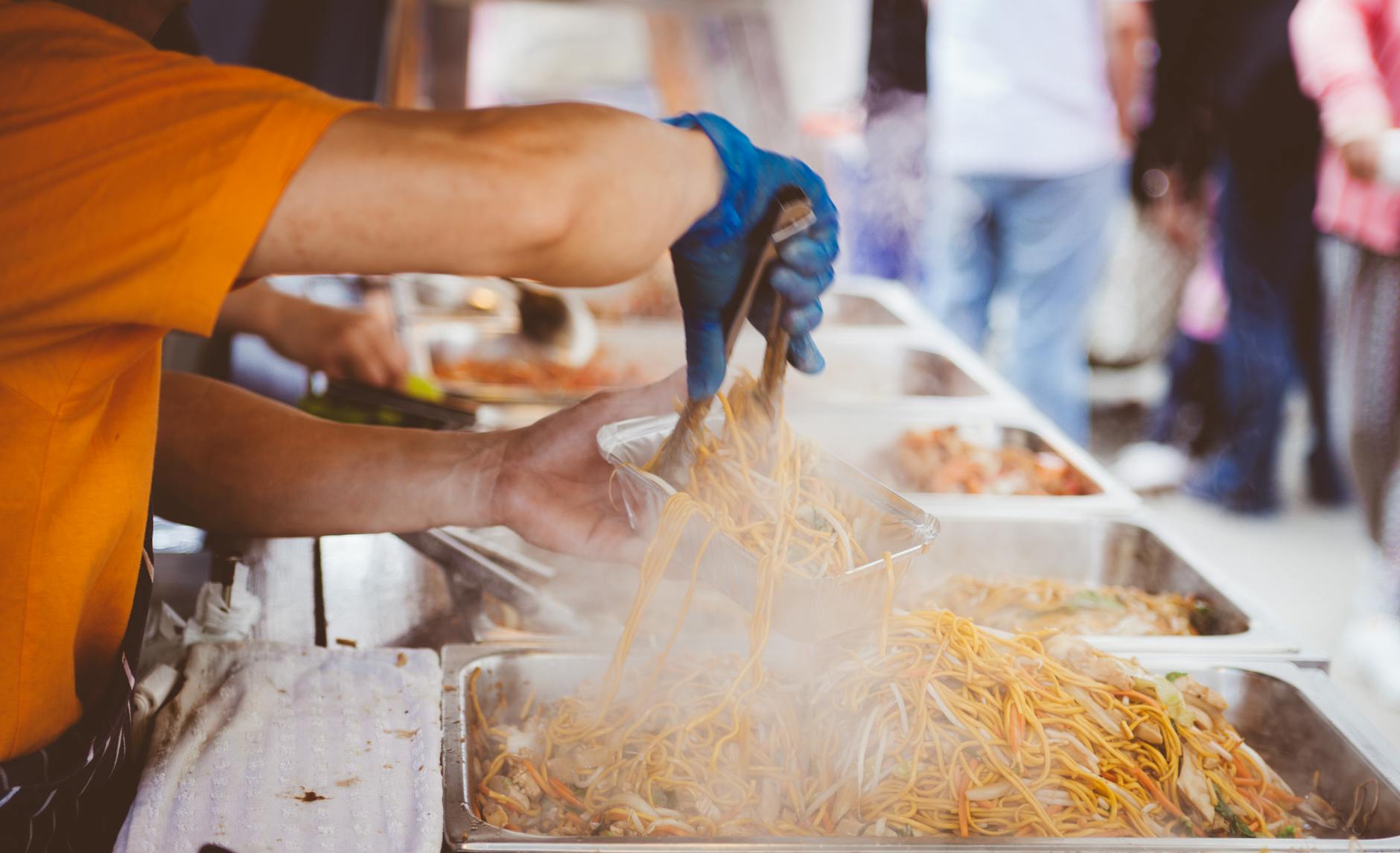
Culinary Adventures
Embark on a flavorful journey through India’s diverse culinary landscape. From aromatic spices to mouthwatering dishes, your taste buds are in for a treat.
Regional Cuisine Highlights
India’s cuisine varies greatly from region to region. Here’s a quick guide to some must-try dishes:
| Region | Signature Dish | Key Ingredients |
|---|---|---|
| North | Butter Chicken | Tomato, cream, spices |
| South | Dosa | Fermented rice batter |
| East | Rasgulla | Cottage cheese, syrup |
| West | Vada Pav | Potato fritter, bread |
Street Food Safety Tips
While street food is a quintessential part of Indian cuisine, follow these tips to enjoy it safely:
- Choose busy stalls with high turnover
- Opt for freshly cooked, hot food
- Avoid raw vegetables and unpasteurized dairy
- Carry hand sanitizer and use it frequently
Vegetarian and Vegan Options
You’ll find India to be a paradise for vegetarians and vegans. Many restaurants offer:
- Pure vegetarian menus
- Clearly marked vegan options
- Plant-based alternatives to traditional dishes
Dining Etiquette and Customs
Respect local customs while dining:
- Wash your hands before meals
- Use your right hand for eating (if dining without utensils)
- Remove shoes before entering someone’s home for a meal
- Express gratitude for the meal
As you explore India’s culinary delights, remember that each dish tells a story of tradition and culture. Next, we’ll discuss crucial safety and security measures to ensure your journey is as smooth as it is delicious.

Safety and Security
Common scams and how to avoid them
When traveling in India, it’s essential to be aware of common scams to protect yourself. Here are some prevalent scams and tips to avoid them:
- Fake tour guides: Always book tours through reputable agencies or your hotel.
- Overcharging taxis: Use prepaid taxis or ride-hailing apps when possible.
- Gem scams: Avoid purchasing precious stones from street vendors or unauthorized dealers.
- Fake holy men: Be cautious of individuals asking for donations in the name of religion.
| Scam | How to Avoid |
|---|---|
| Fake tour guides | Book through reputable agencies |
| Overcharging taxis | Use prepaid taxis or ride-hailing apps |
| Gem scams | Only buy from authorized dealers |
| Fake holy men | Be cautious of donation requests |
Tips for solo travelers
Traveling solo in India can be a rewarding experience, but it’s crucial to take extra precautions:
- Trust your instincts and stay alert in crowded areas
- Dress modestly to respect local customs and avoid unwanted attention
- Use reputable accommodations and inform someone of your whereabouts
- Join group tours or connect with other travelers for added safety
Emergency contact information
Keep these essential emergency numbers handy during your trip:
- Police: 100
- Ambulance: 102
- Women’s Helpline: 1091
- Tourist Helpline: 1363
Now that you’re equipped with safety tips, let’s explore what essentials you should pack for your Indian adventure.
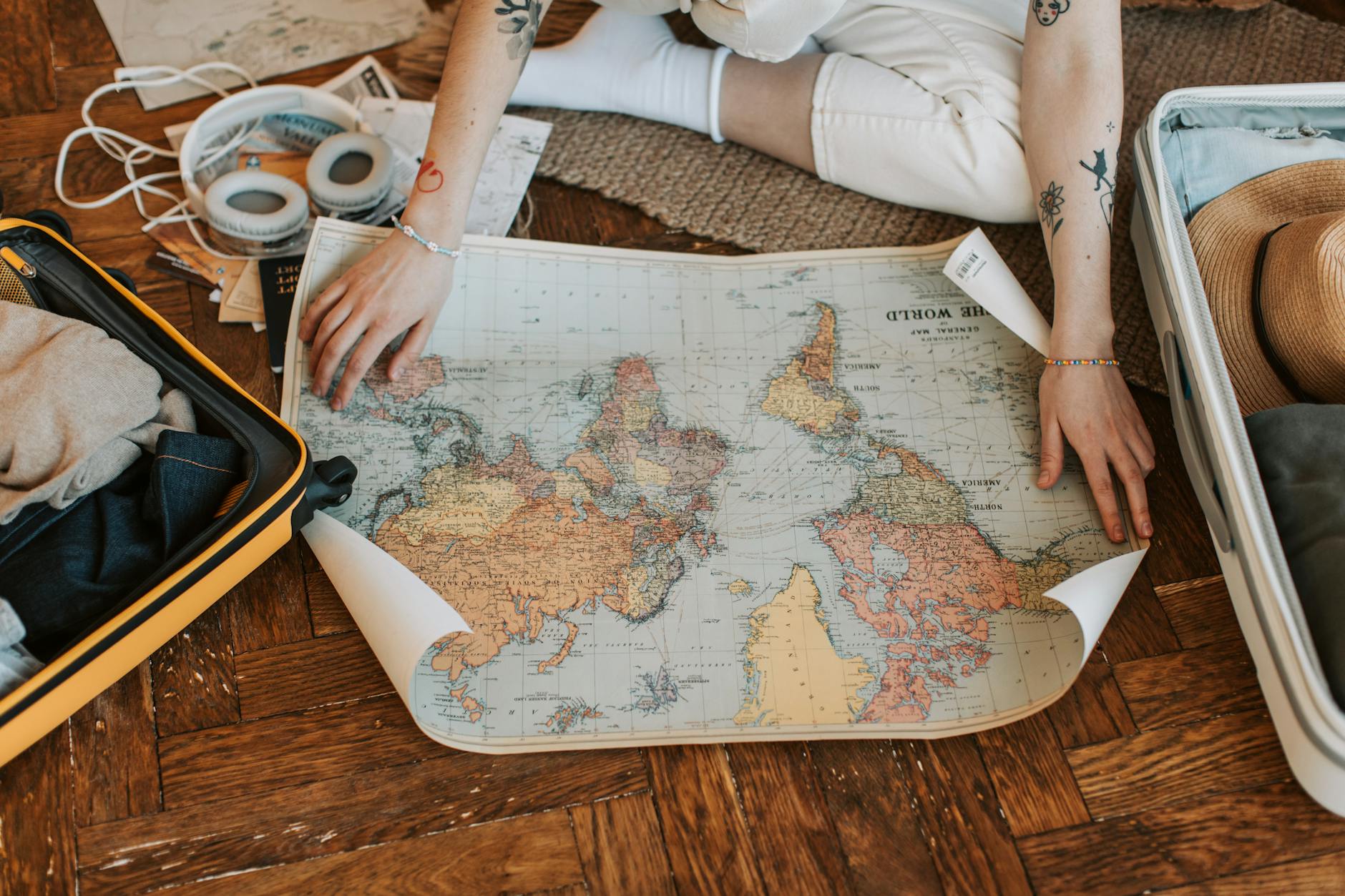
Packing Essentials
A. Clothing recommendations for different regions
When packing for your India trip, consider the diverse climates across regions. For the north, pack layers for cooler temperatures, especially in winter. In the south, lightweight, breathable fabrics are essential year-round. Here’s a quick guide:
| Region | Climate | Clothing Recommendations |
|---|---|---|
| North | Varied | Layers, warm jacket, scarf |
| South | Tropical | Light cotton, linen, shorts |
| Mountains | Cool | Thermal wear, fleece, hiking boots |
| Beaches | Hot & Humid | Swimwear, sundresses, light shirts |
Remember to pack modest clothing for visiting religious sites.
B. Must-have gadgets and accessories
To enhance your Indian adventure, don’t forget these essential gadgets:
- Universal power adapter
- Portable charger for your devices
- Noise-canceling headphones for long journeys
- Water purification bottle
- Compact camera or smartphone with a good camera
C. Medication and toiletries checklist
Your health is paramount during your travels. Here’s a checklist of essential medications and toiletries:
- Prescription medications (carry copies of prescriptions)
- Over-the-counter pain relievers
- Anti-diarrheal medication
- Insect repellent
- Sunscreen (SPF 30+)
- Hand sanitizer
- Wet wipes
- Travel-sized toiletries
Remember to pack any personal items you can’t easily find in India. With these essentials in your luggage, you’ll be well-prepared for your Indian adventure. Next, we’ll explore the best times to visit different parts of India to make the most of your trip.
Embarking on a journey to India promises a whirlwind of vibrant experiences, from its rich cultural tapestry to its diverse landscapes and mouthwatering cuisine. By familiarizing yourself with essential travel tips, you’ll be well-prepared to navigate this captivating country with confidence. Remember to plan your itinerary carefully, embrace the local customs, choose your transportation and accommodation wisely, and savor the culinary delights that await you.
As you set off on your Indian adventure, keep in mind the importance of staying safe, packing smartly, and remaining open to the unexpected. India has a way of surprising and delighting visitors at every turn. So, pack your sense of adventure, an open mind, and a willingness to embrace the unexpected. Your journey through this incredible country will undoubtedly leave you with memories to cherish for a lifetime.